The Green Shelf: Streamline Stock & Sustainability in Retail

Sustainability is becoming increasingly important in every sector, including fashion and apparel; a traditionally high-waste sector, the industry is embracing sustainability through innovative practices—starting at the supply chain. These developments reflect a broader industry shift toward eco-friendly materials, circular fashion models and technological innovations aimed at reducing waste.​

Inventory management tools play a key role in promoting sustainable manufacturing and reducing environmental footprints in retail. Through AI-powered solutions, retailers and wholesalers are able to leverage predictive analytics and make decisions that optimize stock levels, minimize overproduction and efficiently plan supply chain distribution.

Leveraging technological innovations, businesses are able to amplify sustainability efforts by:

  • Reducing excess inventory and carbon emissions
  • Optimizing raw material usage
  • Decreasing energy consumption 
  • Minimizing landfill waste and pollution

Rather than rely on large-scale manufacturing runs that lead to excess inventory, retailers and wholesalers can use innovative tech solutions to accurately forecast demand and produce in quantities that align with consumer needs. Aligning manufacturing and production processes with sales and demand combats waste generation, demonstrating environmental sustainability. Efficient planning also minimizes carbon emissions through fewer last-minute shipments and lower energy consumption for both shipping and warehousing. By using inventory management solutions that empower efficient planning and stock decision-making, the fashion industry is able to decrease energy consumption, raw material usage and waste in both production and transportation. 

7thonline offers advanced analytics and demand forecasting tools to help retailers and wholesalers prevent overproduction and overstocking. Ultimately, leveraging the system’s capabilities enables a more efficient and sustainable supply chain, contributing to lower carbon emissions and a smaller environmental footprint. 7thonline is continuously innovating features and functionality to streamline operations and make retail processes more efficient.

To learn more about how AI-powered inventory management solutions can help the fashion industry optimize their stock and improve sustainability efforts, email us at info@7thonline.com or book a demo.

Omnichannel Solutions: The Backbone of Retail Success

Shopping behaviors are always evolving and the retail industry is always adapting. But fulfilling consumer demand takes on a whole new meaning as the lines between channels continue to blur. With more and more retailers adopting omnichannel strategies, optimizing and streamlining operations becomes imperative in order to meet consumer expectations. Enter: omnichannel solutions empowering retailers to make integrated merchandising decisions.

Optimize Omnichannel Retail Operations 

Here are three well-known trends in retail: ecommerce is rising, brick-and-mortar isn’t going anywhere and omnichannel is everywhere.

The driving force behind retail and retail trends—Gen Zers are the main character. As the latest (and largest) cohort of consumers are coming into their own financially, brands are doing their best to meet them wherever they are: online, offline, multi-retailers, mobile apps, etc. Retailers everywhere are focused on creating seamless (and blended) omnichannel experiences. DTC is expanding into digital. Ecomm is opening up shop. In order to optimize operations and achieve omnichannel success, retailers must be able to make integrated inventory decisions based on data across channels.

Face the omnichannel challenge with software that unifies data and processes from different channels. Listen in as industry expert, Max Ma, dives into how understanding consumer demand drives omnichannel success on the My Future Business podcast.

Leveraging AI and Omnichannel Commerce Solutions 

Eliminate data silos and gain complete control over your omnichannel. Through powerful AI capabilities and comprehensive visibility into supply and demand, retail professionals are able to align merchandising strategies with consumer demand and amplify profitability using omnichannel commerce solutions. 

For retail companies operating on both wholesale and direct-to-consumer channels, 7thonline’s Corporate Demand Planning solution works harmoniously to support omnichannel strategy. Built for multichannel application, 7thonline is uniquely positioned to provide a holistic view of global demand, leveraging advanced AI and robust data from wholesale and retail channels. Through artificial intelligence, 7thonline is able to analyze historical sales and external data points to obtain trend information and forecast future demand. Accurate forecasting empowers retail professionals to identify profit opportunities and make smarter inventory decisions from production to allocation. With robust analytics and granular insights, retailers are able to match inventory to consumer demand down to the style, color and size. The power of AI in retail lies in its ability to drive profitability by empowering data-driven decisions that reduce costs, increase margins, and maximize sell-through.

7thonline is a leading provider of omnichannel commerce solutions, enabling more effective planning, demand forecasting and inventory optimization for leading retailers and wholesalers. With embedded business intelligence and rich analytics, the company’s solutions offer complete demand visibility and planning capabilities for wholesale, retail and ecommerce. To learn more, email us at info@7thonline.com or book a demo with our team.

Navigating the Upcoming Tariffs: Mitigating Retail Risk

As tariffs loom on the horizon, the retail industry faces increasing challenges, forcing executives to prepare for supply chain disruptions and navigate declining customer sentiment. As pressures increase, retailers are grappling with higher import costs, which can lead to increased prices for consumers, narrower profit margins and potential shifts in purchasing behavior. To mitigate these risks, retail leaders need to adopt a proactive approach

Latest Tariff Developments: All Eyes on April 2nd

According to a PWC report, tariffs (including the reciprocal tariffs expected to take effect April 2nd) could impact the consumer products sector by up to $134B, roughly five times the current tariff amount of $27B—and the apparel industry is taking the biggest hit. 

But tariff structures are often subject to change and it’s no different this time around. Retail leaders must stay informed about potential shifts in trade policies and tariffs to stay ahead of the curve and react swiftly to minimize their impact. Understanding the landscape and making informed decisions will be key to sustaining growth in the face of these challenges. By staying adaptable and leveraging supply chain technology, retail leaders can navigate the turbulence of rising tariffs and minimize the impact on their bottom lines. 

Preserve Margins, Embrace Technology

Investing in advanced supply chain and inventory management technologies can help retailers track and adjust quickly to changing tariffs, preserving margins and ensuring more efficient operations to offset tariff-induced price hikes. AI-powered forecasting tools can help predict shifts in demand and adjust purchase orders accordingly, minimizing waste and cutting costs.  These technologies help streamline operations, improve efficiency and reduce inventory risks.

Predictive AI is a powerful tool for inventory productivity, and empower retail leaders to get ahead of inventory management issues. AI-powered inventory management systems enable retailers to forecast demand with greater accuracy by analyzing historical sales data, seasonal trends and market conditions. With tariffs and supply chain disruptions affecting product availability and pricing, having a more accurate forecast helps retailers prepare for changes in demand before they become a problem. By optimizing stock levels based on these predictions, retailers can avoid overstocking or stockouts that significantly harm profitability—which is crucial when costs are rising. 

Retailers can also use inventory management solutions to identify potential bottlenecks in the supply chain, monitor lead times and track goods across multiple touchpoints. Real-time inventory tracking allows retailers to get a clear picture of stock levels, shipments and sales across all channels. This is especially important during periods of uncertainty, such as when tariffs are imposed or shipping delays occur. This level of visibility enables quick decision-making, whether it’s reordering products from alternative suppliers or shifting inventory from overstocked locations to those facing higher demand.

To Negotiate or Diversify: Supplier Relationships and Sourcing Management

Many retail leaders are leaning on positive relationships with vendors amid tariff uncertainties, pushing for price cuts, negotiating better terms or exploring long-term contracts that can offer more stability and flexibility. Others are looking elsewhere, reducing supplier dependency by diversifying sourcing to mitigate tariff impact. 

“With a sourcing organization that’s decades old, our team has a lot of experience in navigating this type of volatility. They’re monitoring the situation carefully and we expect to successfully navigate through any changes, just like we have in the past. However, given near-term uncertainty, we’ll be looking to maintain a larger-than-normal cushion on the balance sheet.” – Jim Lee, CFO Target

Inventory management solutions enable retailers to manage supplier relationships more effectively, saving costs by streamlining operations. Determine the most efficient sources of products by tracking lead times, costs and shipment schedules from multiple suppliers; if one supplier faces an increase in tariffs, retailers can switch to alternative suppliers who offer more favorable pricing.

Customer Sentiment and Brand Loyalty

While the US economy has not yet experienced a serious slowdown, signs of consumer stress have begun to emerge; it’s no secret that shoppers are worried about the price hikes associated with tariffs. Reuters reported the US consumer confidence index has plummeted to a four-year low in March. With consumers being more selective about where they spend their hard-earned dollars, it’s more important than ever to optimize the customer experience and preserve brand loyalty. 

Inventory management solutions ensure retailers are stocked with high-demand products and can adapt to shifting consumer behavior. Whether it’s fulfilling online orders efficiently or making sure physical stores have adequate inventory, retail assortment management solutions ensure retailers are able to meet customers where they are with the products they want; these systems reduce the risk of stockouts, improving customer satisfaction and loyalty by ensuring that popular products remain available. Through predictive AI and demand forecasting, retailers are able to anticipate how consumers respond to price changes and proactively offer personalized promotions to foster loyalty.

“Tariffs are something we’ve managed for many years, we’ll just continue to manage that. We can’t predict what will happen in the future, but we can manage it really well. And we’re wired to try and save people money. So that will be our ultimate goal.” – Doug McMillon, CEO Walmart

Adapting to Retail Tariff Pressures

As retailers navigate the immediate impacts of tariffs on supply and demand, AI-driven inventory management solutions provide a crucial edge in preserving margins, managing supplier relations and enhancing consumer experiences. By using technology to streamline operations and gain real-time insights, retail leaders can make dynamic, informed decisions that address challenges posed by rising tariffs, supply chain disruptions and fluctuating consumer demand. In the face of uncertainty, technology is not just a tool, it’s a vital strategy for resilience and competitiveness in the retail industry.

7thonline has been providing industry-specific supply chain and inventory management solutions to the global retail industry since 1999, with powerful predictive AI capabilities to navigate fluctuating consumer demand. To learn more about our supply chain technology and inventory management solutions, email us at info@7thonline.com or book a demo with our team.

Retail Trends and Insights from Industry Leaders on What’s Next in 2025

Now is the perfect time to reconnect and see what’s trending for the year ahead within the retail industry. In conversations with industry leaders at various tradeshows and meetings, five key shifts have emerged—especially in the retail tech world. These tech trends are shaping the future of retail, driven by the need for greater efficiency and maximizing the impact of data. Here are the top retail trends leading retailers are keeping an eye on in 2025:

rack of clothes

  1. Personalize Your Tech Stack

Every retailer needs technology that aligns with their unique business model. Success in retail depends on tailored solutions—there is no one-size-fits-all solution in retail technology. Individuality is why businesses continue to succeed, each carving out its place in the industry with distinction. The tech used and how it’s implemented must align with these differences. Whether a business is a small regional retailer, a global brand, a family-run operation or a publicly-traded company, technology must serve the specific needs of each business. Success lies in understanding those nuances, and tailoring your tech stack accordingly. 

  1. Trending Beyond Manual Inventory Management

In retail, success hinges on precise seasonality and allocation, making it clear that manual processes can no longer keep up. The need for technology that balances both replenishment and allocation has never been more critical. Retailers must account for seasonal purchasing patterns, store location, size and even the color variations of garments to ensure the right products are in the right place at the right time. The goal is to avoid excess inventory sitting in a warehouse while also preventing stockouts that lead to missed sales. Getting this balance right will give retailers a competitive edge.

  1. Balancing Push and Pull Allocation

For years, retailers have relied on reactive inventory strategies including manual corrections based on what’s needed in the moment. AI integrations and machine learning allow businesses to shift from adjusting to demand to proactively fine-tuning their allocation strategies, often referred to push and pull allocation. For example, let’s say you have two A stores. One is in Hawaii and the other is in New York. A push system would always send the same number of socks to both stores, even though socks are likely not selling well in Hawaii and you might even sell out of certain colors in New York. 

A push system stocks inventory based on store parameters like the square footage and the volume of the store. It’s not based on factors that determine demand. It’s the warehouse that pushes inventory to stores. Push systems make sure stores are fully stocked regardless of who comes to buy it. 

The pull system corrects this issue by stocking stores based on local demand—but it cannot be done without historical data and it cannot be done manually. The challenge for a lot of retailers is that a pull system requires a level of data and metrics. It can respond directly to consumer demand, local weather and store sizes. It helps to keep inventory lean and reduce waste. 

Many retailers are now adopting a hybrid approach, leveraging AI-driven insights to strike the right balance between push and pull allocation. By setting up intelligent, data-backed rules for replenishment and distribution which are tailored to seasonality, store location, product type and customer behavior, businesses can optimize inventory flow and boost profitability.

  1. (Small) Retailers Can’t Afford to Stay in “Excel Hell”

The time to shift to real-time, automated data tools is now. Many retailers are moving beyond “Excel Hell,” replacing outdated Excel spreadsheets with technology that provides real-time data, forecasting and reporting. Even small businesses are now embracing digital tools to stay competitive.

Historically, small retailers have been unable to capitalize on innovative tech due to limited resources. With the rapid advancement in retail tech and inventory management solutions, they can’t afford to not adopt. There are a plethora of affordable options, empowering small business to access customizable solutions that streamline inventory management, enhance customer relationships and improve overall efficiency. By leveraging automation and AI-driven insights, small businesses can offer a seamless shopping experience while optimizing operations to reduce costs. 

  1. Seasonal Planning: Make it or Break it

The better seasonal inventory is planned, the stronger profit margins can become. However, seasonal inventory management requires long-term forecasting while navigating short-term challenges. Retail supply chains involve multiple moving parts. Those include suppliers, warehouses and shipping partners. All of these elements must work seamlessly to avoid costly disruptions. Unexpected delays can lead to stockouts, resulting in lost revenue and frustrating customers, while overestimating demand can leave businesses stuck with deadstock that are difficult to move after peak seasons. Rigid warehouse contracts can further complicate matters, leaving retailers with high storage costs when demand drops. To optimize seasonal selling, businesses must invest in flexible logistics, data-driven demand forecasting and adaptable inventory strategies. 

2025 Retail Trends and the Art of Finessing Technology

While AI might be the brains behind modern retail, people remain at the heart of its success. Technology can analyze data, predict trends and optimize inventory, but it’s the employees on the ground who understand the nuances that AI can’t capture. They know what can be done better, spot local issues like road construction affecting foot traffic or a special event bringing in new customers, and make the critical adjustments that drive business success. 

To discover more retail trends, industry insights, and innovative shifts in retail tech, read our blogs. Email us at info@7thonline.com to talk to the team.

How AI Drives Profitability in Retail

Artificial intelligence (AI) is often hailed as the driving force behind the next big revolution in the retail industry—it’s the buzzword of the year. As retailers look for ways to streamline operations, enhance customer experiences and boost profitability, AI is seen as a beacon of potential. However, finding meaningful AI is a challenge. Not all AI is the same. 

retail tech use case: digitized shirt in a closet

The Challenge of “Fake AI” in Retail

We’ve all seen it; the flashy AI solutions that promise to transform everything but fail to deliver tangible results. “Fake AI” is like grabbing something off the shelf, but the key to reaping the true benefits of AI lies in embedding it into every step of the retail workflow. AI can be a game-changer when it is fully integrated into the retail business model, such as with retail assortment planning and product allocation. Traditionally, these tasks were manual—baked in Excel and driven by spreadsheet formulas. However, AI can take these processes to new heights, reducing errors and providing actionable insights.

Embedding AI into Retail Operations & Planning

To achieve real value from AI, retailers need to move beyond buzzwords and embed AI into their everyday operational processes. For example, when developing an assortment plan, utilize AI to analyze past sales, customer preferences and even external factors such as weather or local events. This allows retailers to plan how to stock the right products in the right quantities at the right time, ensuring that each store’s inventory matches customer demand as closely as possible. The result? Increased sales, reduced markdowns and improved margins. AI turns what was once a guessing game into a data-driven, predictive science.

Optimizing Product Allocation with AI

Allocating the right products to the right locations is essential to ensure that products are available to customers without overstocking or understocking. When you look to allocate products to stores, AI can optimize this process by analyzing customer purchasing behavior, local demographics and regional trends. By incorporating AI into product allocation, retailers can ensure they are maximizing inventory efficiency and aligning stock with consumer demand. AI-powered algorithms can also predict when and where certain products are likely to sell out, allowing retailers to proactively replenish stock before it runs out. This type of precision reduces stockouts and ensures that customers are always able to find what they want when they visit a store or browse online.

A Proven ROI: AI Profitability in Retail

The power of AI in retail lies in its ability to drive profitability by making smarter, data-driven decisions—from product assortment and allocation to inventory management. It’s not just about throwing AI into a tool and hoping it works; it’s about embedding it deeply into every step of the retail process. 

Listen in as 7thonline CEO and founder, Max Ma, joins Adriana Kaegi from Style Culture TV to further discuss how AI drives profitability.

With the right AI solution, brands and retailers can improve inventory productivity, resulting in higher sell-through, improved profit margins and enhanced customer experiences—leading to better margins, increased profitability and more sustainable growth. 7thonline has been providing industry-specific merchandise management solutions and inventory management solutions to the global retail industry since 1999, with meaningful AI capabilities embedded into every step of the retail process. 

To learn more about how AI can help brands and retailers drive revenue through smarter planning, book a demo or email us at info@7thonline.com

How Retailers Can Spot Fake AI

Everyone is talking about artificial intelligence and its benefits, but not everything labeled as AI is actually AI. Some companies are slapping that AI label on technology that’s nothing more than a self-contained module that gathers data without providing any true analysis.

For retailers, tapping into real AI rather than fake AI can make all the difference in sell-through rates and inventory levels.

ai powered forecasting and graphs

Download our whitepaper to learn what retailers need to know about fake AI and how to spot it: https://www.7thonline.com/fake-ai-and-real-ai-in-retail-whitepaper

Fake AI is an island

Fake AI is merely an island consisting of a single data set that’s not connected to other data sets. As a result, it can’t provide the complete analysis necessary to gain a true picture of your retail operations. On the other hand, real AI platforms tap into multiple data sets and are capable of analyzing those data sets cohesively, providing the information retailers need to accurately predict how much product in what sizes and colors they will need in each store.

This is where a discussion of terms like “AI module” and “AI native” comes in. AI module implies that the systems, products or services function with AI, but AI isn’t intrinsically tied to the basic function. AI modules use the technology to add features or capabilities and enhance the user experience, similar to how smartphones incorporate AI cameras to improve photography with their devices.

However, AI-native platforms put the technology at the core of product development, decision making or business processes. Instead of AI being simply an add-on technology, it’s a primary, foundational component of the platform. AI-native platforms have the technology as a central element that drives value from their very foundation.

How to spot fake AI

The easiest way to spot fake AI is to notice nuances in the terms used; unfortunately, it’s not always that easy. Sometimes you may have to dig into the technology and gain a better understanding of how it works in order to spot fake AI.

An important sign of fake AI is the use of individual modules, which create islands in the data — islands that can’t communicate with each other because AI is not the central component tying them together. AI modules require scientists to analyze the results of the data gathered. Thus, they are cumbersome and make it impossible for retailers to successfully leverage the results of any information gathered from the AI module.

Another red flag can be the use of the term “forecasting module.” This type of module provides information side by side, similar to a copy/paste of information. Again, use of a module results in an AI island where the information isn’t seamlessly incorporated throughout the system.

It takes very little time to build an AI module, but to embed AI into an entire platform is like inserting it into the platform’s DNA. Like the cells in our body, each AI cell has a different purpose and is integrated into every component of the platform, built into every single feature.

Real AI for retailers at work

Believe it or not, up to 60% of retail merchandise ends up sitting on the shelf or gets stocked out due to poor assortment accuracy. Real AI provides much greater accuracy and becomes better over time with more data and adjustments made by people who understand the nuances of their industry.

For example, size profile is critical in assortment planning, allocation and replenishment. When building an assortment plan, the last step involves determining the size quantities. You need to have the right size distribution to keep products from sitting on the shelves for too long or selling out too quickly.

True AI will continuously fine-tune every store location for every product category, determining the ideal size curve each store should carry, and then applies that to the retailer’s style-color-base assortment plan to get down to the style, color, size and purchase order. True AI based size profiling is embedded in pre-season assortment creation and store allocation recommendations.

Another example of true AI at work is in the open-to-buy analysis, which predicts when retailers will run out of stock. This is a form of forecasting, but it isn’t just a module providing side-by-side information. It’s real analysis from an AI that has access to the entire library of information.

When AI works

With all the marketing around AI right now, it’s important to mention that when AI works, users don’t really need to know. They’ll just use the platform and over time, gradually realize that the data it provides is highly accurate. On the other hand, AI modules will generate loads of information that requires you to analyze it yourself, potentially leading to disaster if you misinterpret that data. Real AI is like the brain running in the background of the platform. It just works without any fuss or need to emphasize that AI is involved.

Read the original article on The AI Journal here.

To learn more about our AI-native inventory management and demand planning solutions for retailers and wholesalers, email us at info@7thonline.com or book a demo with our team.

Ellassay Joins the Era of Smart Product Management

Luxury Chinese powerhouse Ellassay partners with 7thonline to usher in a new era of smart product management—furthering their commitment to provide high-quality shopping experiences through elegance, fashion and intelligence. With a keen eye for innovation and a steady pulse on trends, the industry leader chose 7thonline to strengthen their position in the market and maintain their forward-thinking vision. 

“We believe that through cooperation with 7thonline, Ellassay will further enhance its brand competitiveness and bring consumers a better fashion experience.” – Xia Guoxin, Ellassay Chairman

The China-based brand has a diverse matrix of sub-brands, including Ed Hardy, IRO Paris, self-portrait and more, covering design, manufacturing, retail and distribution of women’s fashion around the world. Seeking digital transformation, the team made the decision to search for an inventory management solution that would help them address growing consumer needs. The conclusion to go with 7thonline was rooted in the platform’s collaborative capabilities, value creation, ease of implementation and industry expertise.

A pioneer in AI-based inventory management and supply chain optimization, 7thonline has been transforming the retail industry for 25+ years—serving internationally renowned brands such as Patagonia, Calvin Klein, Birkenstock and beyond. Powered with advanced industry-specific algorithms, refined through continuous client collaboration, the end-to-end solution breaks down information silos, fosters cross-functional collaboration and empowers real-time decision making. 

This partnership between Ellassay and 7thonline continues to signal the importance of data visibility and demand insights for leading retailers. Using machine learning for big data analysis and cutting-edge AI technology, 7thonline will enable Ellassay to accurately predict sales trends, optimize inventory productivity and reduce operational inefficiencies. 

We are proud to welcome Ellassay!

7thonline is a leading provider of retail assortment management applications, enabling more effective planning, demand forecasting and inventory optimization. To learn more, email us at info@7thonline.com or book a demo with our team.

The Next Evolution in Retail Inventory Management Needs to Break Down Silos

The retail industry has been struggling for years, even decades with a major challenge—the siloed nature of operations. Traditionally, sales, supply chain and production functions have worked in isolation, leading to inefficiencies, misaligned processes and missed opportunities for growth. It also affects employee morale and their ability to focus on important tasks. These disconnected systems result in inventory imbalances, production delays and a lack of visibility across operations.

At the same time, a significant opportunity is emerging. Integrated demand, the use of artificial intelligence and machine learning and inventory planning systems are redefining how businesses approach operations. By breaking down traditional silos, these systems enable seamless collaboration between teams, fostering smarter decision-making and streamlined processes.

The critical question for businesses now is, how can they bridge the gap between forecasting demand and aligning production with real-time collaboration? Solving this challenge requires advanced tools and a shift in mindset. Retailers need to view the supply chain, demand planning and production as interconnected pieces of a larger, unified strategy.

A Look at the Data: Retail Silos

Silos can be the most costly problems in today’s market. For example, Nike reported holding $9.7 billion in excess inventory in late 2022. That’s an increase of 44% from the previous year and a staggering figure demonstrating just how tough inventory management can be for one of the biggest brands.

Most of us know the results. By 2023 Nike announced an aggressive $2 billion cost-cutting program and employee layoffs. The stock plummeted 12% in a single day following these measures, and gross margins dropped from 45.9% to 42.9% year-over-year. Current global estimates reveal that the global retail industry loses approximately $1.75 trillion annually due to out-of-stock items, representing about 8.3% of total retail sales.

The Evolution of Inventory Management from Sales Planning to Production

Traditionally, inventory management has centered around sales planning and revenue forecasting, with businesses striving to predict how much product they could sell and where those sales would occur. While these projections provided valuable insights, they often stopped short of addressing the next critical step: translating forecasts into actionable production plans. This gap left supply chain and production teams scrambling to meet demand, resulting in inefficiencies, inventory surpluses or shortages that impacted profitability and customer satisfaction.

Key Features of Modern Solutions

Modern inventory management solutions are designed to address the needs of today’s dynamic retail environment with a range of advanced features. Global functionality enables businesses to operate seamlessly across multiple currencies and locations, making these tools scalable for both small retailers and multinational enterprises.

Comprehensive planning tools provide end-to-end support, from pre-planning activities like forecasting revenue and demand to post-planning tasks such as determining production needs and allocation resources. Real-time insights further enhance decision-making by offering a clear view of inventory flow and ensuring alignment with overarching business goals. Together, these features empower retailers to streamline operations, optimize resources and respond quickly to market demands.

Solving Problems Holistically by Focusing on Upstream vs. Downstream

Effective inventory management requires a holistic approach that bridges upstream expertise with downstream integration. Upstream capabilities—such as long-term demand forecasting—enable businesses to anticipate production needs and align them with raw material and resource planning. This foresight helps prevent supply chain disruptions and ensures production efficiency. On the other hand, downstream tools focus on managing in-season inventory and making real-time production adjustments to meet evolving consumer demands. By seamlessly connecting these two ends of the inventory lifecycle, modern solutions provide businesses with a unified system that minimizes inefficiencies, reduces waste and ensures optimal stock levels. In this industry, we know that success means that there is only one item left by the end of the selling season. 

Differentiating Factors in the Market

Flexibility and complexity have become essential in inventory management solutions. Modern systems stand out by offering the ability to adapt to the unique needs of businesses, whether they are small retailers or global enterprises. Customizable solutions allow companies to address specific challenges within their supply chains, sales planning and production processes, providing a significant edge in meeting market demands. This level of adaptability ensures that businesses can scale and pivot quickly, staying ahead in an increasingly fast-paced environment.

Equally important is the value of long-term expertise. Many legacy systems, once focused solely on sales or demand forecasting, have evolved to integrate comprehensive solutions that address both upstream and downstream processes. These platforms leverage decades of industry knowledge while incorporating modern technology—such as real-time data analytics and artificial intelligence-driven insights—to deliver more robust and efficient planning tools.

The Future of Retail Operations

The future of retail operations lies in extending planning horizons to anticipate shifts in consumer behavior before they occur. By leveraging advanced forecasting tools, businesses can move beyond short-term planning and prepare for long-term trends, ensuring they stay ahead of customer expectations and market demands. This forward-thinking approach minimizes disruptions and creates opportunities for growth. It gives us time to think and use the profits saved by using new technologies to future invest in platforms that make an impact. 

Read the original article on Fashion Mannuscript here.

To learn more about breaking down silos and improving retail operational efficiency, email us at info@7thonline.com or book a demo with our team.

Supply Chain Forecasting Software: Bridge Sales Forecasting to Supply Chain Execution

How much inventory needs to be purchased? What resources and raw materials are required for production? How can supply chain operations align more efficiently with demand forecasts? Supply chain forecasting software can help answer these questions.

sales forecasting with a futuristic report hovering over a keyboard

Backed by more than 25 years of upstream planning, 7thonline has expanded its focus to address production demand planning—transforming its platform into a comprehensive global inventory management solution. By blurring the lines between wholesale, direct-to-consumer and digital operations, 7thonline empowers businesses of all sizes, from small retailers to multinational enterprises, to optimize inventory flow and maximize profitability.

The company said its next-generation approach integrates demand and supply data, enabling corporate offices to gain real-time visibility into inventory movements across all locations and ensuring a smooth transition into supply chain planning. The launch of these solutions comes at a time when retailers and brands are managing a more complex business that stretches across multiple channels and consumer touchpoints.

“Retail operations have historically operated in silos, with limited communication between supply and demand teams. We’re breaking down those barriers. Our enhanced platform fosters collaboration between departments, streamlining processes and ensuring that inventory decisions align with real-time business needs.” – Max Ma, CEO 7thonline

The benefits of the company’s solutions include offering brands and retailers extended forecasting horizons, which allows demand planning teams to forecast further out, which reduces production bottlenecks. The platform not only handles upstream planning with precision but now seamlessly connects to downstream operations, solving problems across the inventory lifecycle, better integrating upstream and downstream processes.

In addition, the platform allows corporate-level decision-makers to monitor and manage inventory flows across all locations, ensuring alignment with overarching goals. While competitors focus narrowly on in-season demand planning or downstream solutions, 7thonline stands out as an end-to-end platform with unmatched expertise in upstream planning. “For 25 years, we’ve mastered the complexities of upstream planning,” Ma said. “Now we’re going downstream to help our customers solve problems holistically, making us the only solution that seamlessly integrates both ends of the planning process.”

To read the full article on WWD, click here.

Learn more about the latest in supply chain forecasting technology and inventory management solutions, email us at info@7thonline.com or book a demo with our team.

Unleashing Wholesale Tech that Embraces Real-Time Data, Removes Silos and Avoids Costly Mistakes

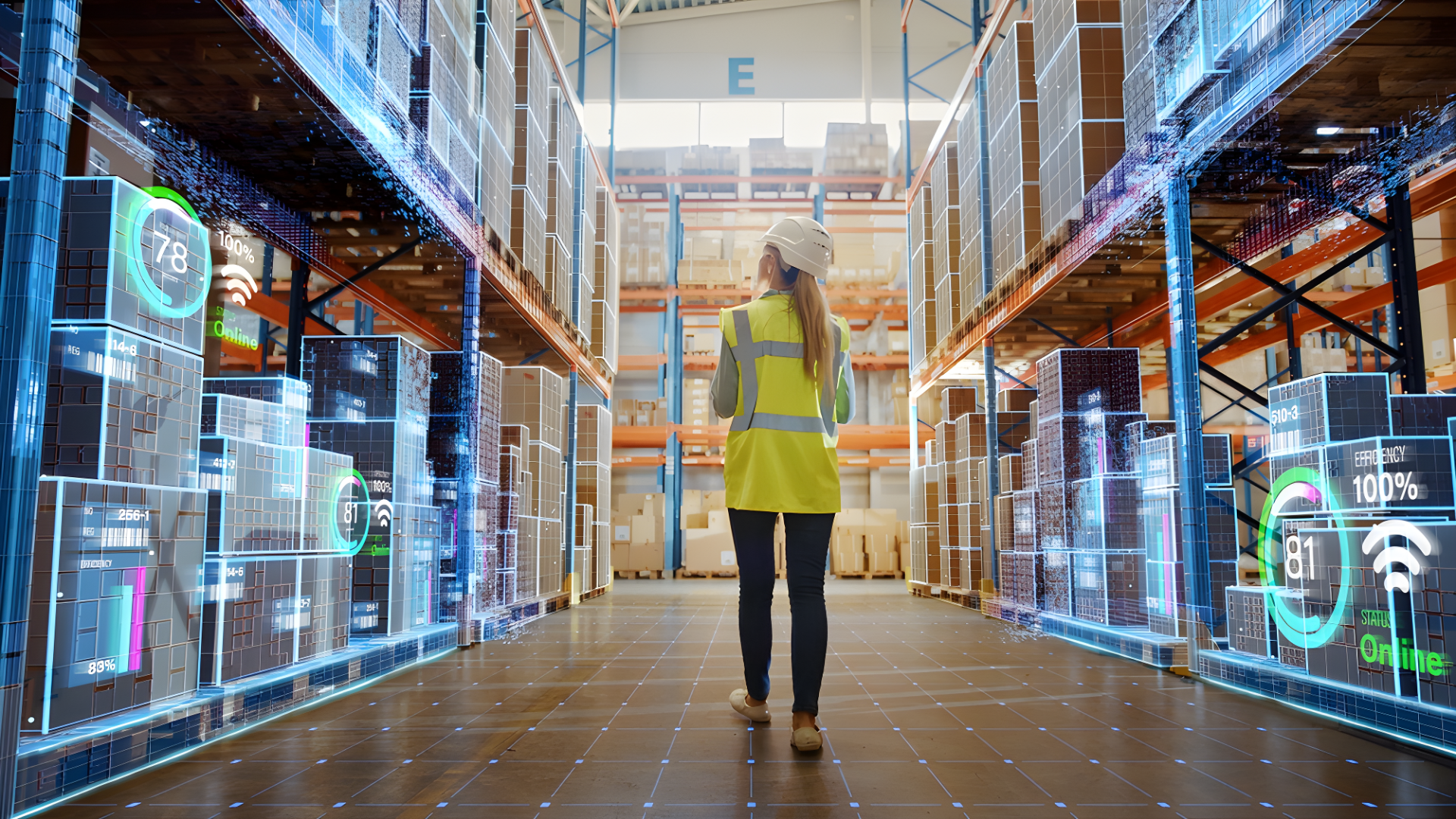
Many wholesalers may not realize that challenges in the technology they’re using come from using tools that are not specifically designed for their wholesale business model. The first, and biggest challenge is with Excel, a platform that has no standard practices across multiple accounts, is extremely tedious and time-consuming and is prone to errors. The second challenge is when wholesalers make the leap to a new platform, only to find out that what appears to be an effective solution on the surface has hidden roadblocks because the tool was actually built for retailers. 

By making the shift to tools specifically designed for wholesale operations, businesses can gain better visibility, more accurate forecasting and the ability to streamline their processes. Wholesalers will also be in the position to get out of “Excel hell” and leverage real-time data, remove silos across departments, enjoy better planning and increase sales by understanding what sells and what doesn’t.
employee in a tech-forward warehouse

It’s Time to Ditch Excel for Critical Wholesale Operations

Many wholesalers still rely on Excel to manage critical operations like account planning, inventory tracking, production schedules and sales data. While Excel might seem like a flexible tool, it often leads to data silos where different departments are working with outdated or incomplete information. Spreadsheets are prone to manual errors, such as incorrect formulas or misentered data–which can result in costly mistakes. Excel doesn’t provide the big-picture view needed to make quick, data-driven decisions. 

Take for example a wholesaler managing multiple accounts. If the account management tool isn’t linked to the production system, key information, like sudden changes in order size or delivery timelines don’t get communicated efficiently, resulting in misaligned expectations, late deliveries and frustrated clients

In contrast, adopting real-time data tools give wholesalers a single source of truth that enables faster, smarter decision making. Real-time systems provide up-to-the-minute insights on inventory levels, order status and production progress, allowing teams to react to changes instantly. If a sudden increase in orders occurs, real-time data allows production to ramp up immediately, ensuring the business can meet demand without delays.

Wholesale Tech Platforms Reveal Meaningful Data that Drives Profits

Wholesalers operate in a fundamentally different space from retailers. This area of retail needs a system that helps manage production timelines, track multiple accounts and fulfills complex bulk orders. They rely on tools that can track production schedules across various manufacturers, allowing them to potentially help retailers bring goods to market earlier, provide insights into items that will have higher sell-throughs and potentially increase orders of items that have sold well. Wholesalers need tools that have the sophistication to handle large, multi-location warehouses, seasonal inventory cycles or forecasting based on bulk orders. Excel certainly won’t help effectively avoid missed opportunities to optimize order fulfillment and doesn’t provide real-time data or the ability to understand where pockets of opportunity to save time and money can be found.

Even other types of retail systems that are not designed specifically for wholesale end up prioritizing individual sales, consumer behavior and small-batch inventory management. These tasks don’t translate well to the wholesale environment.

Meaningful Outcomes that Avoid Common Pitfalls

One of the most significant advantages of using a platform designed specifically for wholesalers is accurate forecasting for production buys. Wholesale businesses often deal with large quantities and longer lead times, so having tools that can analyze bulk order trends and predict future demand is essential.

For example, a wholesaler supplying clothing to large retailers can use wholesale-specific forecasting tools to determine how much fabric to order for production months in advance, ensuring they meet demand without overcommitting to resources. These tools help avoid common pitfalls such as underbuying, which leads to stock shortages, or overbuying, which results in excess inventory that ties up capital.

Another key benefit is the ability to improve order fill rates with tools that are designed to track and optimize the entire order process. These systems allow wholesalers to manage bulk orders, ensure timely production and coordinate shipping schedules effectively. This leads to better fill rates, meaning that orders are fulfilled accurately and on time.

Wholesale tools also emphasize account planning rather than location-level planning and allows businesses to track the specific needs of each account, such as seasonal buying patterns or bulk order preferences and tailor their production accordingly.

A Unified Source of Truth by Connecting Inventory, Production, Sales and Accounting

For wholesalers, full system integration is the cornerstone of efficient and effective operations. When all systems, including inventory, production, sales and accounting are connected, the data becomes a single, unified source of truth. Instead of departments working in isolation, everyone has access to real-time, cohesive information that reflects the current state of the business.

When a sales team enters a new order, that information immediately updates inventory and production systems, ensuring everyone is aligned. This eliminates the need for manual data transfers or constant back-and-forth communication, reducing errors and preventing miscommunication.

When systems are fully integrated, wholesalers gain control over their operations. For wholesalers, integration isn’t just an upgrade. It’s the difference between chaos and control. 


Read the original article on Fashion Mannuscript here.

To learn more about our AI-based wholesale solutions, email us at info@7thonline.com or book a demo with our team.