The 2025 holiday season is shaping up to be one of careful calculation for retailers. According to the National Retail Federation (NRF), holiday sales in November and December have averaged about 19% of total retail sales over the last five years, though for some retailers, the figure is even higher. For retailers, the holiday season is a critical period of heightened sales, fierce competition and strategic opportunity. In order to maximize profitability as holiday gifting peaks, it’s important to protect gross margins before markdowns come into play.
Holiday sales are often more profitable because the surge in purchases occurs without significantly increasing retailers’ fixed operating costs—retailers can maximize margins through scale. For 2025, consumer spending is expected to remain cautious as economic uncertainty shapes buying behavior. Against this backdrop, retailers face the challenge of striking the right balance between promotional activity and profitability. Prioritizing margin over markdown has emerged as the strategic focus.
Multi-Channel Demand Planning: Combining AI and Brand Identity
The uncertainty and ever-shifting dynamics of today’s retail landscape are reshaping how consumers shop, especially during the holiday season. To stay ahead, retailers are turning to AI-powered demand planning software that combines detailed analytics with merchant intuition and creativity. This powerful pairing enables retailers to anticipate shopper expectations at a granular level—down to style, color, size—and make smarter inventory decisions that drive both sales and satisfaction.
Blending brand identity with AI-driven insights allows retailers to deliver tailored shopping experiences that meet demand across every channel. By analyzing customer behavior, preferences and purchase history, brands can curate assortments that reflect their aesthetic and resonate with their audience, creating an authentic and personalized shopping experience that reinforces brand loyalty while boosting conversions through more intuitive, margin-protective product offerings.
Protecting Holiday Margins & The High Cost of Markdowns
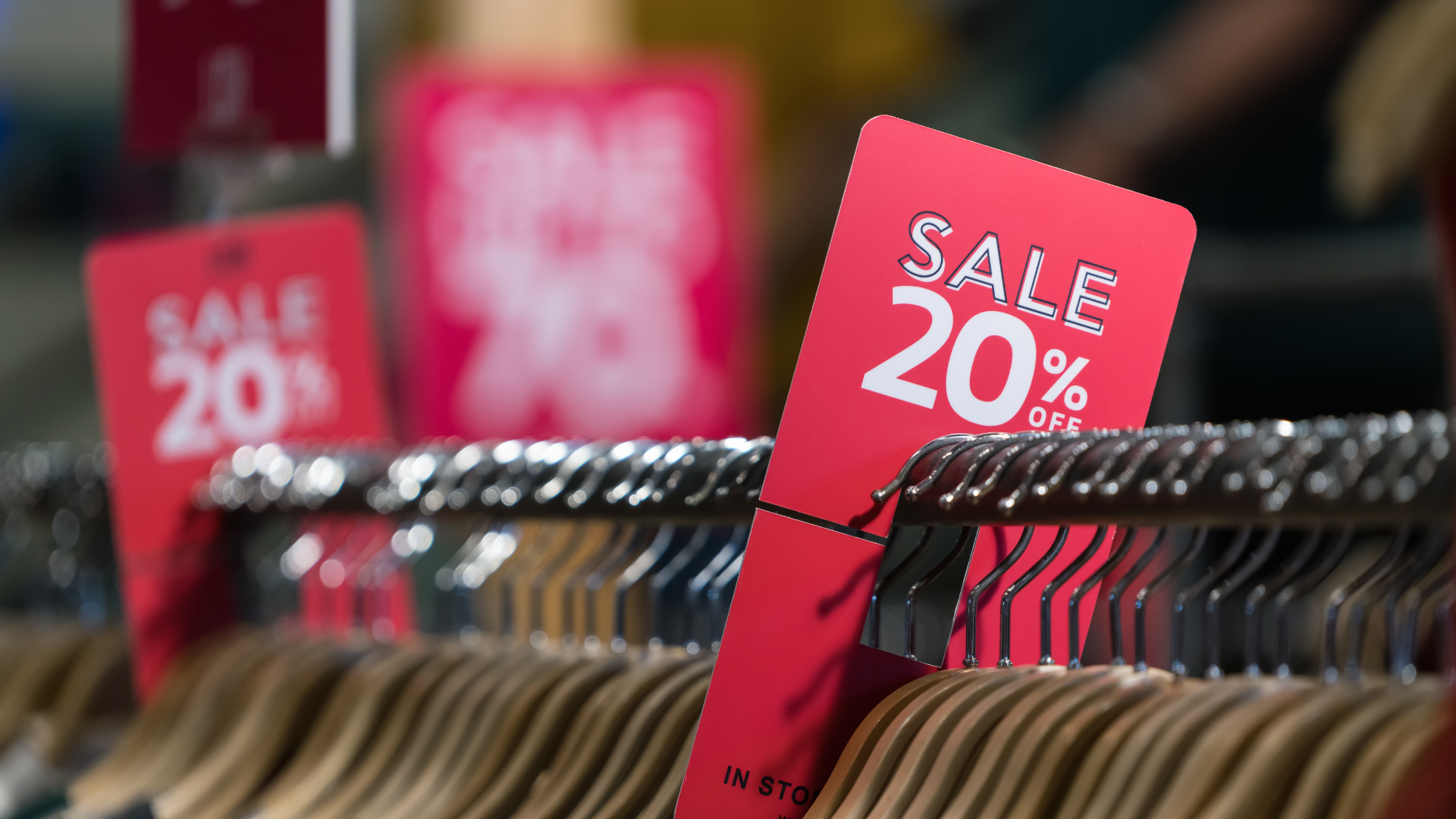
A key distinction in holiday planning lies between discounts and markdowns. Discounts are temporary promotions used to spark urgency and drive sales during specific events, while markdowns represent permanent price reductions designed to clear out excess or slow-moving inventory.
The financial stakes are high. Markdowns have long been a drain on profitability, cutting into margins with estimates showing they cost U.S. retailers about $300 billion in lost revenue. That’s roughly 12% of total sales according to a report from Coresight Research. While that figure predates by almost a decade, with the current economic environment, it remains a telling indicator of how damaging reliance on markdowns can be to the bottom line.
The risks of over-relying on markdowns are clear:
- Diluted brand value: Frequent markdowns condition customers to wait for sales, weakens loyalty and diminishes the brand’s perceived value.
- Eroded margins: Each markdown directly chips away at profitability. Not even accounting for the increased operational costs with storing and holding unsold inventory.
- Inventory glut: Excess stock leads to overcrowded racks of outdated merchandise, fueling a markdown dependency to clear cluttered storefronts.
Brand Loyalty vs. Bargain Hunting: What Wins Over Today’s Shoppers
Today’s consumers are showing a clear willingness to trade loyalty for savings. According to the Wunderkind 2025 Tariffs Consumer Impact survey, 76% of Americans say they’re ready to switch brands for a better price, often for as little as a 10-20% deal. This cost-conscious mindset puts retailers in a difficult position as rising tariffs drive prices higher and shrink purchasing power. In fact, two-thirds of retailers report they cannot afford to absorb the extra import costs themselves.
The impact is already visible. June marked the first tariff-driven price hikes, with goods seeing the sharpest cost increases in five months and the Consumer Price Index rising by 0.3%. Between weakening brand loyalty and declining purchasing power, retailers must recalibrate holiday strategies.
Enhance Retail Holiday Planning Ahead of the Frenzy
Getting ahead of the Black Friday/Cyber Monday rush demands thoughtful planning and precision execution. Holiday demand remains unpredictable, and with supply chain challenges still in play, even leading retailers risk stumbling when it comes to inventory management. The era of relying on shopping “showdowns” is over. The winners will be those who gain a competitive edge through smarter allocation and proactive planning that minimize inventory risk and maximize profitability.
For apparel and fashion brands especially, success relies on having the right product, in the right sizes, at the right locations. Missteps in allocation can mean lost sales, frustrated customers and unsold inventory where it’s least needed. That’s where AI-powered solutions come in, enabling retailers to forecast with greater accuracy, optimize allocation in real time and ensure that every unit of inventory is working toward the bottom line and a successful holiday season.
Read the original article in Fashion Mannuscript here: https://issuu.com/mannpublicationsmagazines/docs/fm_october_2025?fr=sZDY2ZTg2MDI5NTU
To learn more about how AI can help brands and retailers preserve margins without resorting to markdowns, book a demo or email us at info@7thonline.com.