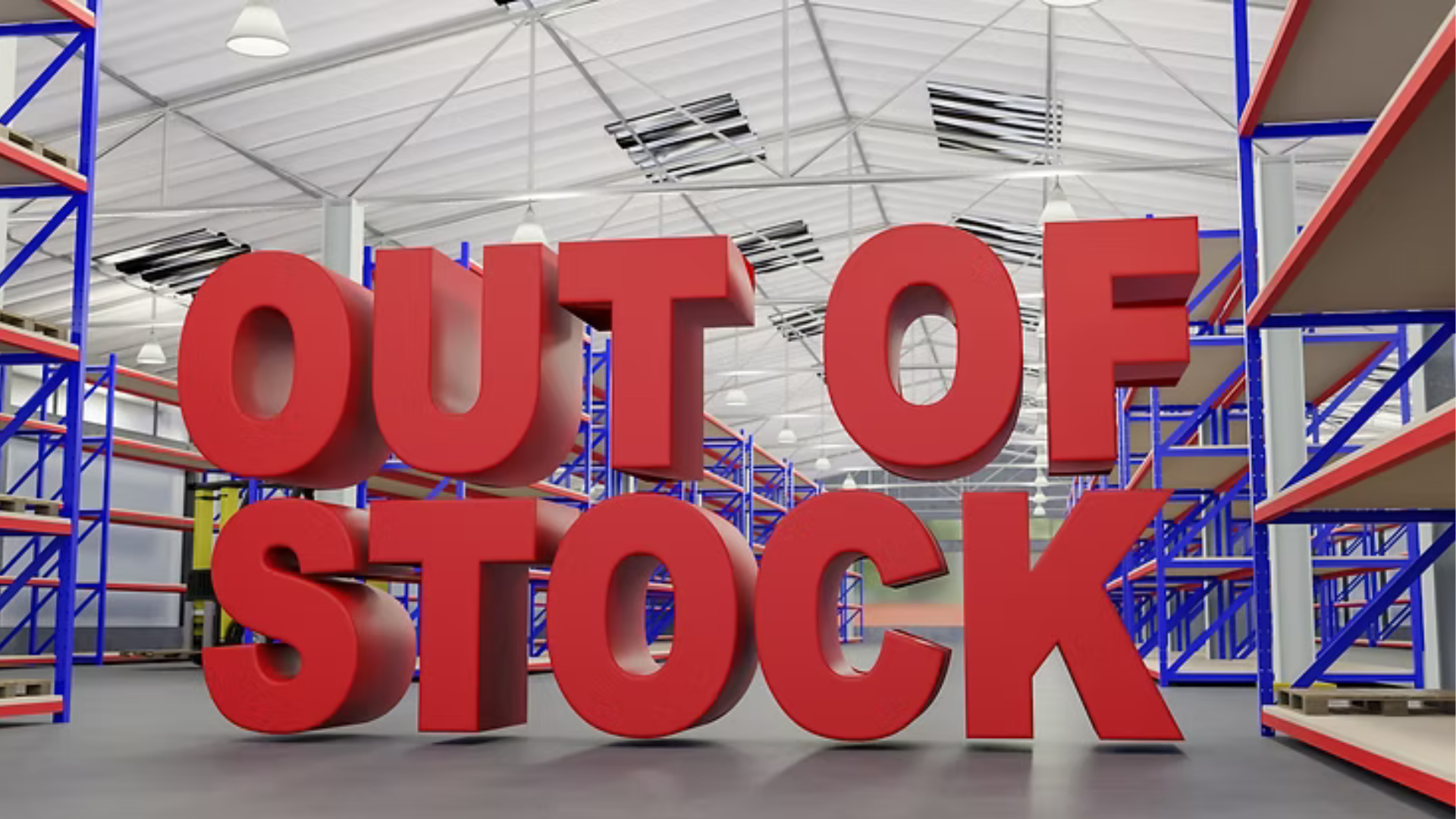
Just do it. Getting out of the gate quick and fast will give retailers an immediate advantage in their pandemic recovery—especially when reopening brick-and-mortar stores. Making smart decisions on inventory levels, promotions, purchases and future forecasts will be critical from the start. Having a tried-and-true way to determine and guide retailers will be paramount in determining whether the brand will prosper or fail to recover. Here’s the dilemma retailers are facing in the wake of COVID-19 and the steps retailers need to take to weather this unique situation.

The Retailer Recovery Dilemma
Locking down during the COVID-19 pandemic forced retail stores to close en masse, accelerating the digital disruption of ecommerce. In order to survive and thrive, it was, and still is, critical to adapt.
The post-pandemic commerce world is shaped by three forces:
- Short-term consumer behavior shifts
- New economic realities for shoppers
- A different competitive and partner landscape
For retailers to regain business activity, they have to understand how they fit into the “new normal”, addressing slow momentum, aging inventory and shaky forecasting for the future. Consumers are still spending, but it’s important to note where and how their preferences have changed.
Aligning with New Consumer Preferences
According to Thomai Serdari, a professor of luxury marketing and branding at New York University’s Stern School of Business, “there’s likely to be pent-up demand, but possibly tempered by a new appreciation for consuming less, especially as a recession bears down”.
This pent-up demand is already being seen in China where retail stores have begun to open and consumers are reacting positively. Some fashion retail companies have achieved 80% of their 2019 revenue within the first four weeks of reopening and 95% of their 2019 revenue within six weeks. While encouraging, breaking this down by category revealed shifts in consumer preferences. Basics, such as denim and outerwear, rebounded quicker while others like accessories and dresses lagged behind.
To align with new consumer preferences, retailers should look to rebalance their supply chain and manage assortments accordingly and boost their digital presence. Companies that have embraced and invested in advanced data analytics, machine learning and automation are better prepared to react dynamically.
Leveraging Demand Prediction Models to Regain Profitability and Market Share
Advanced analytical forecasts will provide a significant advantage for retailers looking to reopen retail locations, online and offline. 7thonline has taken a scientific approach to data analysis, creating numerous velocity trend conditions to reconstruct historical data and apply forecasting algorithms down to the style/color level.
7thonline can take the zero sales data points by style/color/location and apply different velocity trends to predict the location’s sales recovery. These velocity trends—slow rebound, medium rebound and fast rebound—can be applied to predict future sales performance. The demand prediction models are based on the expected sales rebound and consumer sentiment in the US, derived from the trends, sentiments, promotions and processes in other countries.
The module is very powerful in adjusting the stores closure data and future weeks forecast after reopening, providing default adjustment values after reopening and monitors the actual performance every week, automatically re-adjusts as needed. It also provides insights on the level of promotion required to rebound sales by category and position within the lifecycle. After the sales rebound to normal levels or when the brand sales achieve a steady state, the module permanently adjusts the sales data during closure to set the stage for accurate long-term forecasting and processes. When dealing with millions, if not billions of dollars’ worth of inventory coupled with the changing consumer lifestyle evolution emerging out of this historic singular event, retailers today need sound and quick scientific advice to get them out of the gate faster than their competitors.
7thonline is a leading provider of cross-channel merchandise planning and assortment management solutions, enabling more effective planning, demand forecasting and inventory optimization for leading retailers and wholesalers. With embedded business intelligence and rich analytics, the company’s solutions offer complete demand visibility and planning capabilities for wholesale, retail and ecommerce. To learn more, email us at info@7thonline.com or book a demo with our team.