AI in Commerce News: Instant Checkout in ChatGPT

The AI in commerce market ended Q3 with big news: shoppers can now buy products directly in ChatGPT. With Instant Checkout, ChatGPT isn’t just a guide—it’s a storefront.
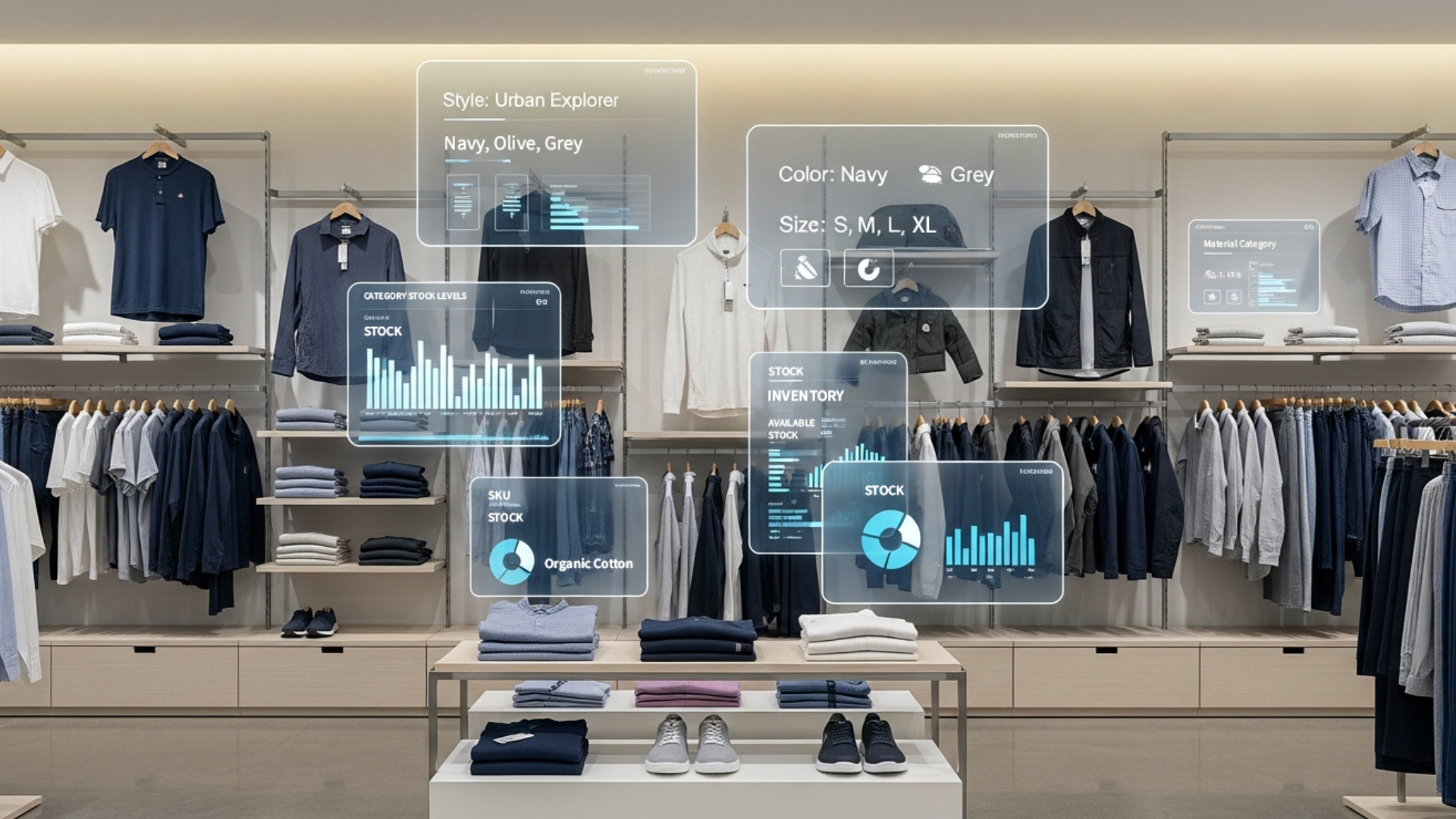
Earlier this week, OpenAI announced a partnership with Stripe, Etsy and Shopify that connects people and businesses to the next era of commerce—using AI as a key interface for how people discover, decide and buy. While conversational AI has already proven its value in product discovery and customer service, the ability to complete purchases directly within a chat interface marks a major leap forward. 

While the general population is curious but cautious about AI-powered shopping, over 700 million people use ChatGPT every week. So, chat, is this partnership the turning point for how people will feel about using AI to shop?

Click From Chat to Checkout: Full-Funnel AI Shopping

Until now, conversational AI has helped shoppers discover products, ask questions, and compare options. But one critical step remained outside the AI loop: the transaction itself. This seamless integration of discovery, decision-making and transaction radically simplifies the buyer journey. It eliminates friction, closes the loop and turns intent into action in a matter of seconds. 

This isn’t just a user experience upgrade; it’s a fundamental shift in how consumers interact with brands and make purchases.

While Americans still have hesitations around AI-assisted shopping—for various reasons found here—we believe this is the feature that will unlock consumer acceptance of AI in commerce. Why? Because it offers something every shopper wants: speed, simplicity and confidence. That’s the kind of efficiency today’s consumers demand—and tomorrow’s AI-native shoppers will expect. 

The Market Has Spoken: Retailers on AI in Commerce

For retailers, this marks a new chapter—one where traditional product journeys are compressed into a few lines of dialogue, and AI doesn’t just influence conversions, it owns them. For brands and retailers, this shift changes the game. We’re entering an era where brand visibility, product discoverability and conversion will increasingly be influenced—or entirely driven—by AI systems.

“Bringing Shopify merchants into ChatGPT lets indie brands to household names reach customers in entirely new ways, meeting high-intent shoppers in relevant conversations. From search to social media and now to agent-assisted shopping, our goal is always to make sure our merchants are at the forefront.” – Vanessa Lee, VP of Product at Shopify

Merchandising strategies, inventory planning and assortment decisions need to evolve to account for AI-driven demand signals. Retailers can’t just think in terms of website traffic or social ads anymore. They need to think in terms of chat visibility. AI is curating the chaos of the digital shelf, making product discovery more intuitive, more relevant and more human. 

“It’s Etsy’s job to help shoppers discover special items our sellers offer—even when they don’t think to come to Etsy. ChatGPT helps us meet buyers where they are.” – Rafe Colburn, Chief Product and Technology Officer at Etsy

The recent partnership between OpenAI and major commerce platforms is a clear signal that the retail and tech markets are aligning around a new shared vision: AI will become a core sales channel. And that bet is backed by more than hype. It reflects a maturing ecosystem that’s ready to deliver value.

By turning ChatGPT into a fully shoppable interface—powered by trusted platforms like Stripe, Etsy and Shopify—OpenAI is helping redefine AI in the commerce space. For retailers and brands, this is the moment to rethink visibility, discoverability and conversion in a world where AI is no longer just assisting the shopping experience—it’s becoming the channel itself. 

To discover more retail trends, industry insights and innovative shifts in retail tech, read our blogs. Share your thoughts with the team by emailing info@7thonline.com.

Forget the Retrofit: Super-Integrated AI for Multi-Channel Success

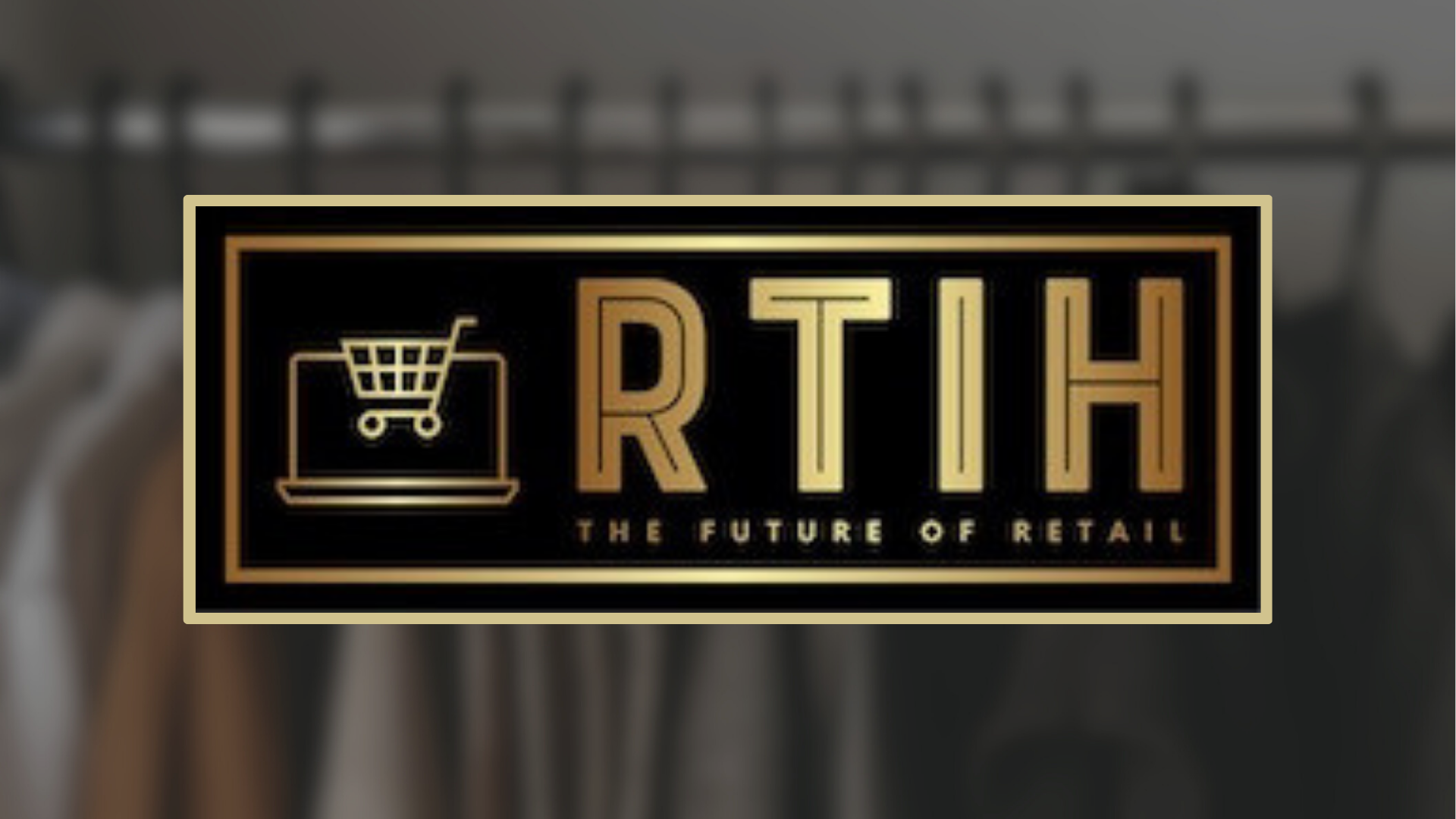
The culmination of necessity and innovation, artificial intelligence has become a cornerstone of retail growth by helping brands understand customers, forecast demand and deliver seamless, personalized shopping experiences across channels. But simply retrofitting AI onto outdated systems won’t cut it. True multi-channel success depends on super-integrated AI and solutions that are built with connectivity and adaptability at their core. When AI is deeply embedded across sales, inventory and customer touchpoints from the start, it delivers faster insights, smarter decisions and the agility retailers need to thrive in today’s dynamic market.

All-in-One AI Wins: Unlocking AI’s True Potential

The true value of AI lies beyond a standalone module—it must be integrated throughout the system to provide context and end-to-end analyses that impact your bottom line. 

AI’s power is in identifying risks/opportunities by accounting for multiple variables at an incredible speed. For multi-channel retail brands, this means embedding AI in every part of the process while also adapting to the unique demands of each channel—all within a unified platform. An all-in-one AI system not only enables smarter decision-making for each channel, but also shows how they each fit into the broader strategic goal; brands are able to analyze performance from the lens of channel-specific KPIs and make informed business decisions based on comprehensive insights from complete demand. 

Wholesale account planning is different from DTC store planning or ecommerce marketplace planning—your processes and AI usage should reflect that. With super-integrated AI solutions, multi-channel brands are able to drill in on the nuances of different channels and seamlessly understand how they contribute to the big picture. 

The Pitfalls of Retrofitting

Retrofitting AI solutions for each channel can offer quick wins, but often at the cost of complexity, fragmented processes and missed potential. An overlooked risk when applying AI across retail channels is the misalignment between assumptions baked into the model and the realities of the channel it’s being applied to. 

AI-native systems for DTC needs are optimized for direct consumer behavior and needs, analyzing real-time demand for each SKU at each location—data is plentiful, feedback loops are fast and decisions are granular. AI for ecommerce adds another layer to consider digital marketing promotions, algorithmic search optimization and product placement on the page. AI systems for wholesale have a different foundation, where the crux of the need is centered around bulk orders for department stores, independent retailers, franchises, etc., including the lead times for accounts and the seasonality of products.


Retrofitting AI limits its accuracy, as the system learns from behaviors that don’t align with the channel’s realities—resulting in mismatched optimization recommendations due to differences in:

  • Demand Patterns: frequent transactions vs fewer transactions in large quantities
  • Forecasting Horizons: daily/weekly adjustments vs seasonal adjustments months in advance
  • KPIs and Optimization Goals: conversion rate vs order fill rate

This misalignment due to channel-specific nuances leads to poor planning decisions and inventory mismanagement, underrealizing AI’s full potential.

Integrated AI Powering the Next Generation of Multi-Channel Retail

The next generation of multi-channel retail success depends on a retailer’s ability to deliver consistent, personalized experiences across every channel from ecommerce marketplaces and mobile apps to brick-and-mortar stores and wholesale partners. Utilizing AI-native platforms that consider the state of the union across functions, revenue streams and more, it’ll be easier than ever to meet shopper demands. Truly integrated AI systems connect data from all touchpoints to improve forecasting and real-time merchandising decisions across the retail workflow—it’s not fragmented or layered on as an afterthought. 

Integrated AI platforms, like 7thonline, make this possible by unifying pre-season and in-season data streams across the entire retail ecosystem: sales, stock levels, lead times, production orders, SKU demand and more. With bespoke functionality tailored to different selling channels, the platform helps retailers forecast demand with greater accuracy, plan more effectively and adjust quicker as market conditions change. With end-to-end visibility, retailers can reduce inefficiencies, improve margins and deliver a seamless experience for customers, no matter where or how they shop.

The future of retail won’t be defined by patchwork AI add-ons but by end-to-end, super-integrated platforms that analyze patterns, anticipate market shifts and recommend actions. Integrated AI solutions are able to empower decisions that align with the overarching strategy. It’s up to the retailers to apply the data-backed insight with their own expertise in order to maximize results. 

Read the original article in the AI Journal here: https://aijourn.com/forget-the-retrofit-super-integrated-ai-for-multi-channel-success/ 

Unlock the secret to multi-channel success. Discover how 7thonline’s super-integrated solutions can help by booking a demo or emailing us at info@7thonline.com.

7thonline Named a Finalist for Retail Tech Innovation Hub’s 2025 Omnichannel Award

We’re thrilled to announce that 7thonline has been named a finalist in the Omnichannel Retail Initiative category at the 2025 RTIH Innovation Awards! The RTIH Innovation Awards celebrate the most transformative and forward-thinking work in retail technology, and being shortlisted alongside such impressive companies is an honor. As an Omnichannel Retail Initiative finalist, 7thonline is being recognized as a leading provider of tech-centric solutions that integrates shopping experiences across brick-and-mortars, online, mobile and everything in between.

retail tech innovation hub, the future of retail awards

Our nomination reflects the work we’ve done to break down silos and create a truly unified experience across physical and digital touchpoints. 7thonline empowers brands to make integrated inventory decisions based on insight into emerging trends and visibility across stores, ecommerce websites, wholesale accounts, marketplaces and more to unify retail planning and rethink demand. From enhancing customer journeys by leveraging real-time data to reimagining how channels work together seamlessly, we’re proud of the impact our omnichannel approach is making—and this finalist spot confirms we’re on the right path.

Today’s shoppers move seamlessly between channels; blurring traditional channel lines demands a unified, agile approach to inventory, fulfillment and customer engagement. Retailers can no longer afford fragmented systems or siloed operations that slow down response times or limit visibility. This agility not only improves operational efficiency but also ensures better product availability and an overall enhanced shopping experience. As consumer loyalty becomes more fleeting, the ability to adapt quickly and serve customers wherever and whenever they shop is now a key driver of long-term sales and brand success.

7thonline is uniquely positioned to provide a holistic view of global demand, leveraging advanced AI and robust data from wholesale and direct-to-consumer retail channels with channel-specific functionality. Through artificial intelligence, 7thonline is able to analyze historical sales and external data points to obtain trend information and forecast future demand as it pertains to the channel’s unique needs. 

By using 7thonline, brands are able to make integrated inventory decisions across key selling channels—wholesale, brick-and-mortar retail, ecommerce—with deep demand visibility into what is selling, where. Stay ahead in today’s complex retail landscape and seamlessly meet demand across key channels with an integrated, end-to-end planning platform. 

Thank you to the RTIH team for this honor, and congratulations to the other finalists! We’re excited to celebrate your achievements in the retail tech space. Winners will be announced later this year—stay tuned.

To learn more about 7thonline’s platform, book a demo or email us at info@7thonline.com

Enhancing Fashion Merchandising Instincts with Data Science

McKinsey & Company recently reported that retailers using AI-based assortment planning solutions have cut SKUs by 36% while lifting sales 1-2%, a leaner merchandising strategy driven by data science. Thanks to AI-driven inventory planning, machine learning and data science, smart retailers are able to better manage SKUs, grow sales and meet customer demands to enhance decisions.

fashion merchandising meets tech

Making The Data Work for Multi-Channel Fashion Merchandising

While algorithms and AI models are setting a new standard for data accuracy, the real success in fashion merchandising comes from combining creative expertise and industry insight with automation and AI insights. Retailers understand the nuances of their markets and customers and they are able to anticipate trends and adjust, to connect with shoppers wherever they are. AI enhances this art by analyzing data at scale and providing performance-based recommendations tailored to each SKU, store and channel.

By taking massive amounts of data in real-time and turning it into precise, actionable insights, AI systems are enabling retailers to make smarter, faster decisions at a granular level. Between dynamic open‑to‑buy decisions, allocation based on localized demand and real‑time decision-making, AI-powered inventory management is making the data work for multi-channel retailers through accurate demand forecasting. 

Best Practices: Blending Science and Art in Retail

7thonline has always reinforced the message that AI is a tool, not a replacement for retail expertise or the human eye. It’s the planner, the designer and the strategist who recognizes emerging trends and applies insight. The most successful retailers approach AI‑driven merchandising as a partnership between technology and people, seamlessly blending the art of merchandising and the science of data.

While algorithms excel at analyzing data and forecasting trends, it’s humans who interpret those insights through the lens of brand vision and creative intuition. AI analyzes customer behavior, regional preferences and past performance to recommend the most optimal product mix, while merchandisers apply their intuition to curate assortments that connect the brand with their shoppers. Merchants carry the brand’s DNA into every assortment decision, ensuring that what’s on the rack resonates not just with a data profile, but with the community it serves. Combining data-driven insights with human creativity, enables retailers to make smarter, faster product decisions. 

The retail industry, particularly in fashion, is driven by individuals with a deep passion for their craft. Many have spent their careers mastering how to anticipate what shoppers will want, before they even want them. Both a learned skill and a purposeful instinct, selecting the right styles, colors and sizes for the right stores at the right time, is an art baked into the shopping experience. The strategic blend of timing, positions and sensory elements, bring a brand’s vision to life and AI helps to ensure that experience will resonate with the target audience.

Use Case Scenarios

In today’s dynamic landscape, blending the art and science of retail can look different in practice. It all depends on your own business needs. The following use cases illustrate how retailers can harmonize creative judgment with advanced technology:

Assortment Planning

Blending data and creative curation, AI-powered assortment planning ensures the product mix reflects both customer demand and brand identity. The data science behind AI systems analyzes the “what” (what product mix, what store, what channel) while merchants fine-tune the “why” using the extensive knowledge they’ve gained on which trends are still in their early stages, compelling storytelling and how shoppers will react. 

Dynamic Replenishment

While predictive analytics and real-time sales data empower dynamic replenishment decisions, such as reorders, these systems only account for seasonality, past trends and product lifecycle stages. It’s up to the merchants to detect shifts before algorithms, such as weather changes, large marketing pushes, influencer buzz and more. Using detailed insights for efficiency and precision, retailers are able to make context-aware decisions, at scale, with specificity, that react to the nuances of real-world events beyond historical data.

Trend Forecasting

AI systems can read the signals, but merchants can read between the lines. With AI systems picking up massive amounts of data from various sources, retailers are able to see early signals on trending products, long before the results hit their sales numbers by bringing breadth and speed to trend detection. Experienced merchants are the ones that know how to interpret these signals through the lens of their brand and customer, to turn the signals into differentiated product decisions. 

In each case, human expertise turns AI’s recommendations into market‑ready decisions that impact the bottom line.

Read more in the September 2025 issue of Fashion Mannuscript here: https://issuu.com/mannpublicationsmagazines/docs/fm_september_2025_full?fr=sYTRjMzg2MDI5NTU

To learn more about enhancing the art of merchandising through data science and AI-powered solutions, email us at info@7thonline.com or book a demo with the team.

Concept Study: Multi-Channel ROI

Connect supply chain planning and execution across channels. 7thonline has been empowering multi-channel retail brands to make integrated inventory decisions that impact their bottom line. By acting on new opportunities that improve inventory productivity, retail brands are able to see ROI through improved order fill rate, additional margins from higher full-priced sell-through, reduced markdowns and more.

retail business meeting looking at a 7thonline dashboard with reports on performance, ecommerce sales, inventory levels and more

For over 25 years, 7thonline has revolutionized the demand planning process with frictionless multi-channel solutions and custom, AI-powered functionality for every point of sale. 

Stay ahead in today’s complex retail landscape and seamlessly meet shoppers, anytime, anywhere. The 7thonline team conducted a concept study* based on various metrics such as revenue and gross profit margin, to show the impact of our platform for various brands. The concept study includes aggressive, likely and conservative scenarios to calculate the return on investment for our multi-channel and corporate demand planning solutions

Using 7thonline’s demand forecasting and consumer-centric selling tactics, we ran the numbers for a conservative ROI analysis of a multi-channel brand generating $2B annual revenue:

  • The detailed analysis projects an additional $23.9M in revenue due to increased margins across wholesale and direct-to-consumer channels in the first year. 
  • Using AI for operational efficiency saved the brand around $6.5M in SG&A (Selling, General and Administrative) and inventory carrying costs for the first year.
  • The annual net benefit of the platform jumps from $25.1M in year one to $34.1M in year two as the system refines its recommendations to maximize merchandising decisions.

Our AI-native platform leverages proprietary, vertical-specific algorithms and industry best practices to deliver value across wholesale, DTC and ecommerce channels—no matter the brand’s size. As businesses grow, our system scales seamlessly and unlocks greater potential, maximizing returns for multi-channel brands.

*7thonline’s ROI model was developed by Kurt Salmon, part of Accenture Strategy, based on an independent study of 7thonline’s clients to serve as a benchmark for investment evaluation for retail executives.

Discover more concept studies for DTC retail brands and wholesale brands

To learn more about 7thonline’s AI-powered multi-channel and corporate demand planning solutions, email us at info@7thonline.com or book a demo with the team.

AI-Powered Retail Merchandising: Where Data Science Meets Human Creativity

In the retail industry, AI is now powering decisions once driven solely by instinct. Research Gate recently reported that AI-based assortment planning has helped some retailers cut SKUs by 22% while increasing sales by 15%. Through predictive AI, machine learning and real-time data processing, retailers are able to forecast demand with unprecedented accuracy, optimize product assortments and respond instantly to real-time market signals—managing inventory with surgical precision and growing sales by anticipating customer demand at scale.

human hands holding blocks

The Power of AI, Turning Data Into Intelligence

AI’s ability to synthesize vast, multi-source data in real time to generate granular, predictive insights exceeds human capacity, transforming how decisions are made across complex environments and millions of data points.

Going beyond traditional number-crunching, AI-powered retail planning systems act as the engine behind data-driven merchandising strategies. They continuously synthesize inputs from sales history, online browsing patterns, social media sentiment and regional buying behaviors, creating hyper-granular recommendations tailored to every SKU, store and channel. These systems report what’s happening and predict what’s likely to happen next, enabling planners to adjust and optimize in real time, matching localized demand and responding to sudden market opportunities or disruptions.

When this analytical precision is paired with the nuanced judgment of experienced merchandisers, the powerful synergy ensures that strategy is both analytically sound and emotionally resonant, aligning commercial performance with authentic brand storytelling. AI optimizes retail operations and elevates them. At 7thonline, the philosophy has always been clear: AI is a force multiplier for human expertise, not a replacement for it. We build AI to deliver the art of merchandising at scale

The Human + AI Model: Retail’s Competitive Edge

AI’s unmatched accuracy and speed give retailers a powerful decision-making engine, realized in lockstep with seasoned merchandising instinct. AI can identify the most statistically profitable product mix, but it takes human insight to interpret those findings through the lens of brand vision, trend trajectory and customer psychology. Together, they create a merchandising approach that is not only faster and more accurate, but also deeply attuned to the creative and emotional cues that drive fashion purchasing. From demand forecasting to in-season adjustments, AI is turning vast streams of raw data into actionable intelligence that directly improves both profitability and customer experience.

Algorithms excel at detecting patterns in customer behavior and past performance; human judgment applies brand DNA, storytelling and creative intuition to curate assortments that connect with shoppers on a deeper level. The planner who detects the start of a microtrend, the designer who senses a shift in aesthetic and the strategist who understands the subtleties of local customer behavior provide the interpretive lens that gives AI insights their commercial and emotional impact. 

In fashion merchandising, this blend of science and art is critical. Many merchandisers have honed their craft over decades, learning how to anticipate what shoppers will want before they know it themselves. This involves not just picking the right styles, colors and sizes, but timing them perfectly for the market and presenting them in ways that evoke desire; processes that would have taken an insurmountable amount of time are now instantaneous. By embedding AI into this process, retailers ensure that the brand’s vision is brought to life with precision while creating assortments that resonate not only with a demographic profile, but with the communities they serve. 

In practice, this human-AI partnership doesn’t follow a single formula. It adapts to each retailer’s goals, product categories and market dynamics. The most effective applications are those where AI’s scale and speed are paired with the merchandiser’s ability to recognize nuance and context that algorithms can’t fully capture. 

Retail Data Science: Blending AI Precision with Merchandising Intuition

The balance between human expertise and AI intelligence is most visible in three critical areas: assortment planning, dynamic replenishment and trend forecasting. Each demonstrates how technology and creativity converge to deliver sharper, more profitable decisions.

Assortment Planning

AI-powered assortment tools analyze SKU performance, customer demographics and emerging trend signals to recommend the most profitable product mix for each store or channel. Merchandisers then refine these recommendations, filtering them through brand identity and their understanding of customer sentiment to ensure the selection aligns with both commercial goals and the brand’s creative vision.

Dynamic Replenishment

Predictive analytics and real-time sales monitoring allow retailers to make replenishment decisions based on precise demand forecasts. Merchandisers add value by incorporating context outside of historical data including sudden weather shifts, influencer-driven demand spikes or marketing campaigns, making allocation decisions that respond to both the numbers and the moment.

Trend Forecasting

AI scans massive volumes of data from social media, search trends and global sales to detect early signals of what’s gaining traction. Merchandisers interpret these patterns through the brand’s unique perspective, deciding which trends to lean into, adapt or pass on entirely, ensuring that what makes it to market is both timely and authentic.

Across each of these use cases, AI delivers the analytical horsepower, and human expertise ensures those insights are translated into actions that not only improve margins but also strengthen the emotional connection between brand and customer.

AI is a necessity in its ability to derive detailed, data-rich insights at both scale and depth that is fundamentally transforming how decisions are made. What once relied on gut instinct and reactive planning is now informed by predictive models, volumes of real-time data and adaptive machine learning algorithms that uncover patterns invisible to the human eye; AI enables retailers to operate with a level of precision, speed and contextual awareness that was previously unattainable. 

As retail continues to evolve, those who embrace this human-plus-AI model will unlock a new era of intelligence-driven merchandising—where data doesn’t just inform decisions, it transforms possibilities.

Read the original article here: https://aijourn.com/ai-powered-retail-merchandising-where-data-science-meets-human-creativity/

To learn more about how AI can help brands and retailers with their merchandising, book a demo or email us at info@7thonline.com.

The Science Guys in Retail: An Engineer’s Mission to Increase Retail Efficiency

In the heart of Manhattan’s Garment District—where fabric swatches rustle and buyers negotiate by the minute—a scrappy startup emerged on 7th Avenue at the turn of the millennium. In 1999, Max Ma, a software engineer at a fashion CAD company, started 7thonline after realizing that the industry needed more effective ways to boost inventory productivity. With only 40% of inventory contributing to a brand’s overall profit, he started 7thonline with a mission: break the cycle of low margins, limited resources and sub-optimal decision-making. 

Named after the street that inspired its ideation, the platform was designed to directly impact the needs for apparel, footwear and accessories retailers with advanced technology—AI and machine learning models. Developed by a team of data scientists and retail experts with a shared mission, the industry soon started hailing them as “the science guys”.

Max Ma

Our Mission: Inefficiencies Bleeding Time and Money

Working amongst designers, buyers, planners and suppliers, Max was surprised that companies worth billions “had processes that were completely manual”.

“It was surprising to see multi-billion dollar companies with completely manual processes. I (specifically) saw an opportunity to use artificial intelligence to improve the inventory decision-making process. Ultimately, we believe that AI will improve quality of life as there is a more efficient use of time, better results and cost efficiencies.” – Max Ma

He sought to arm them with logic and algorithms, an approach that felt like pure science: data-driven, methodical, deeply analytical. Despite major strides in retail technology, Max points out a surprising truth: 70-80% of retailers still depend on Excel for critical, million-dollar inventory decisions. “It creates silos, errors and a total lack of control,” Max explains. “Our goal was to replace Excel—without intimidating the user.”

The Science Guys of Retail, Gaining Momentum

“The science guys of retail” became a quiet badge of honor—an affectionate nod to a team focused on fusing retail and data, engineering and intuition—symbolizing the AI expertise built into the platform. The nickname showcased our team’s love for data and a knack for fashion, and the platform’s ability to crunch the numbers behind every SKU, season. and shelf—making sure assortments are stylish, smart and balanced.

The first prototype of 7thonline was a collaborative planning and buying platform hand-coded by Max. It quickly captured the attention of the retail industry, even securing an invite to the Department Store Consortium’s competition against two publicly-traded companies that facilitate buyer/seller collaboration. Against all odds, 7thonline won the competition as was chosen for the pilot. Following this defining victory, awareness picked up—signing their first big client, Liz Claiborne and other major brands such as Jones Apparel Group and Kellwood. Combined, these conglomerates accounted for over 50% of total US department store’s women’ s merchandise.

Although Max claims this was a ‘surreal experience’, he knew the value of his platform—massive savings and higher profit margins. In the next few years Max ensured that profits were reinvested in product development, solving increasingly complex scenarios that directly impacted the industry. Cultivating the product, focusing only on retail, gave the platform an unmatched depth backed by retail-specific AI models and best practices. Eventually, the company went on to sign additional brands such as Canada Goose, Patagonia, Michael Kors, Calvin Klein and more.

Now a leading provider of inventory management and demand planning solutions for the retail industry, 7thonline is serving brands with end-to-end planning capabilities. To learn more about the platform, book a demo or email us at info@7thonline.com.

Concept Study: Driving ROI for DTC Retail Brands

A leader in multi-channel inventory management and retail planning solutions, 7thonline has been empowering retailers to drive ROI across channels for 25+ years. With artificial intelligence and machine learning embedded into the core of the platform, 7thonline enables data-backed, integrated decisions that directly impact the bottom line: smarter allocation and replenishment to minimize markdowns and lost sales, reduced overproduction and excess inventory, dynamic in-season decisions and more. 

retail store filled with bags, shoes and accessories

Based on various metrics such as revenue and gross profit margin, our team is able to conduct concept studies to show the impact of our platform for various brands; the concept study includes aggressive, likely and conservative scenarios to calculate the return on investment for our direct-to-consumer and wholesale solutions. 7thonline’s ROI model was developed by Kurt Salmon, part of Accenture Strategy, based on an independent study of 7thonline’s clients to serve as a benchmark for investment evaluation for retail executives.

For brands with direct to consumer channels, acting on new opportunities that improve inventory productivity amplifies ROI through proactive OTB decisions, maximizing full-price sell-through based on an item’s highest propensity to sell and smarter allocation/replenishment driven by localized demand. Using 7thonline’s demand forecasting and consumer-centric selling tactics for DTC operations, we ran the following numbers for a detailed ROI analysis.

According to the ROI analysis, a brand with an estimated $1.5B annual revenue is projected to see the following:

  • Over five years, the additional revenue realized could be up to $56.5 million (aggressively) due to more accurate demand forecasting and consumer-centric merchandising.
  • Conservatively, the brand is slated to see an additional $8 million in profit margin due to improved full-price sell-through rates set by localization, in the first year with a 6X ROI. 
  • Using AI for operational efficiency saved the brand nearly $4 million in inventory carrying costs for just the first year in the conservative analysis.

For a $500M brand, we ran a conservative ROI analysis of using 7thonline’s DTC solutions to find the following:

  • By decreasing markdowns and minimizing lost sales through smarter allocation, the brand can (conservatively) expect $3.8 million in additional revenue within the first year.
  • Conservatively, the analysis projects a 242% ROI in the first year due to an increase in revenue and decrease in SG&A and inventory carry costs—valued at a net benefit of $2.8 million.
  • In year five, the brand has reached over 18X on ROI, with a cumulative benefit of $26.3M, while the annual net benefit has nearly tripled from year one. 

Our AI-native system utilizes proprietary vertical-specific models and industry best practices to drive value for all brands and retailers across wholesale, DTC and ecommerce channels regardless of size. As brands continue to grow, our platform not only scales to their business needs but also realizes more potential, boosting returns for multi-channel brands. 

Discover more concept studies for wholesale brands and multi-channel brands

To learn more about 7thonline’s AI-powered DTC planning and store allocation solutions, email us at info@7thonline.com or book a demo with the team.

AI-Powered Wholesale Account Planning & Forecasting

As demand from wholesale accounts and major retailers continues to fluctuate, maintaining a flexible and responsive supply chain becomes essential. Develop a comprehensive understanding of demand across divisions, accounts and geo-locales to simplify wholesale planning and forecasting, guide product development and empower proactive selling— ultimately promoting a responsive supply chain that improves customer satisfaction and increases order fill rate.
AI-powered unified planning solutions empower retailers to make informed decisions through actionable insights, aggregated data and accurate forecasts derived from real-time data at scale.